Sensory Integration Therapy
Enhancing the brain's ability to process and respond to sensory information.
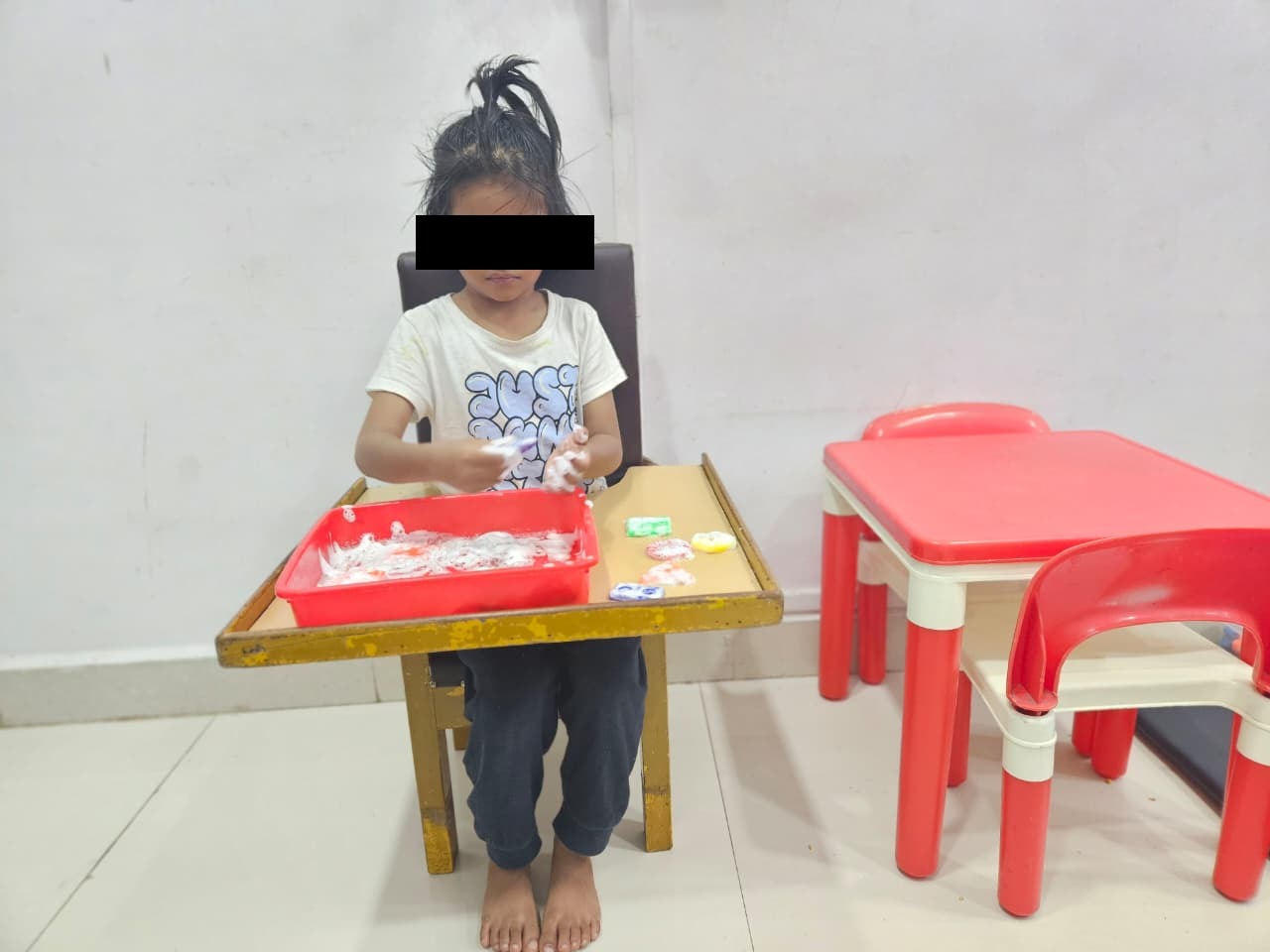
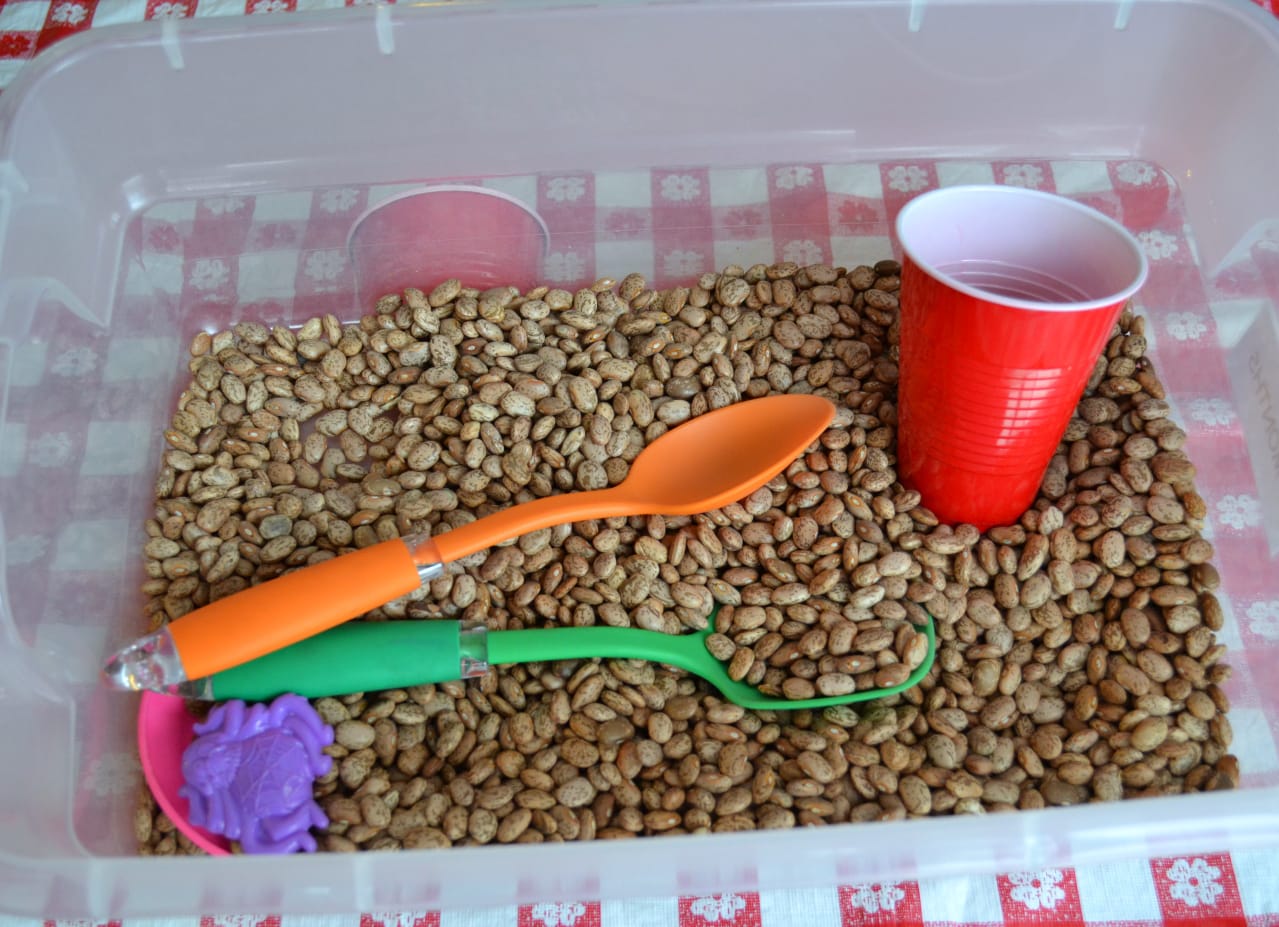
Tactile Modulation


Overview
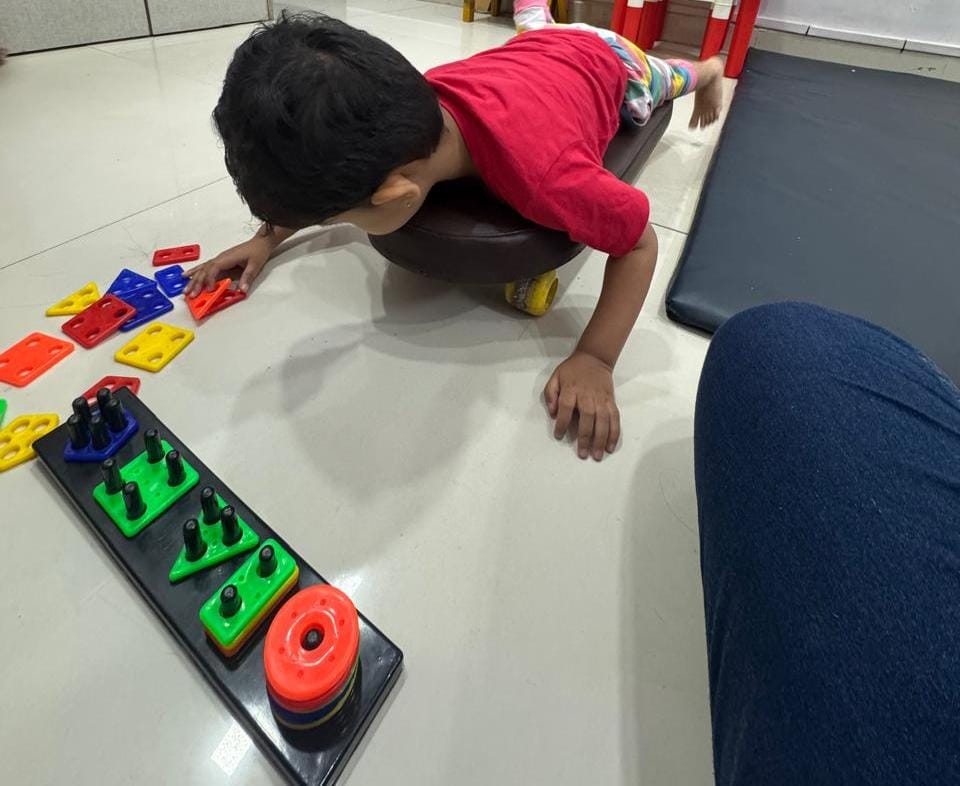
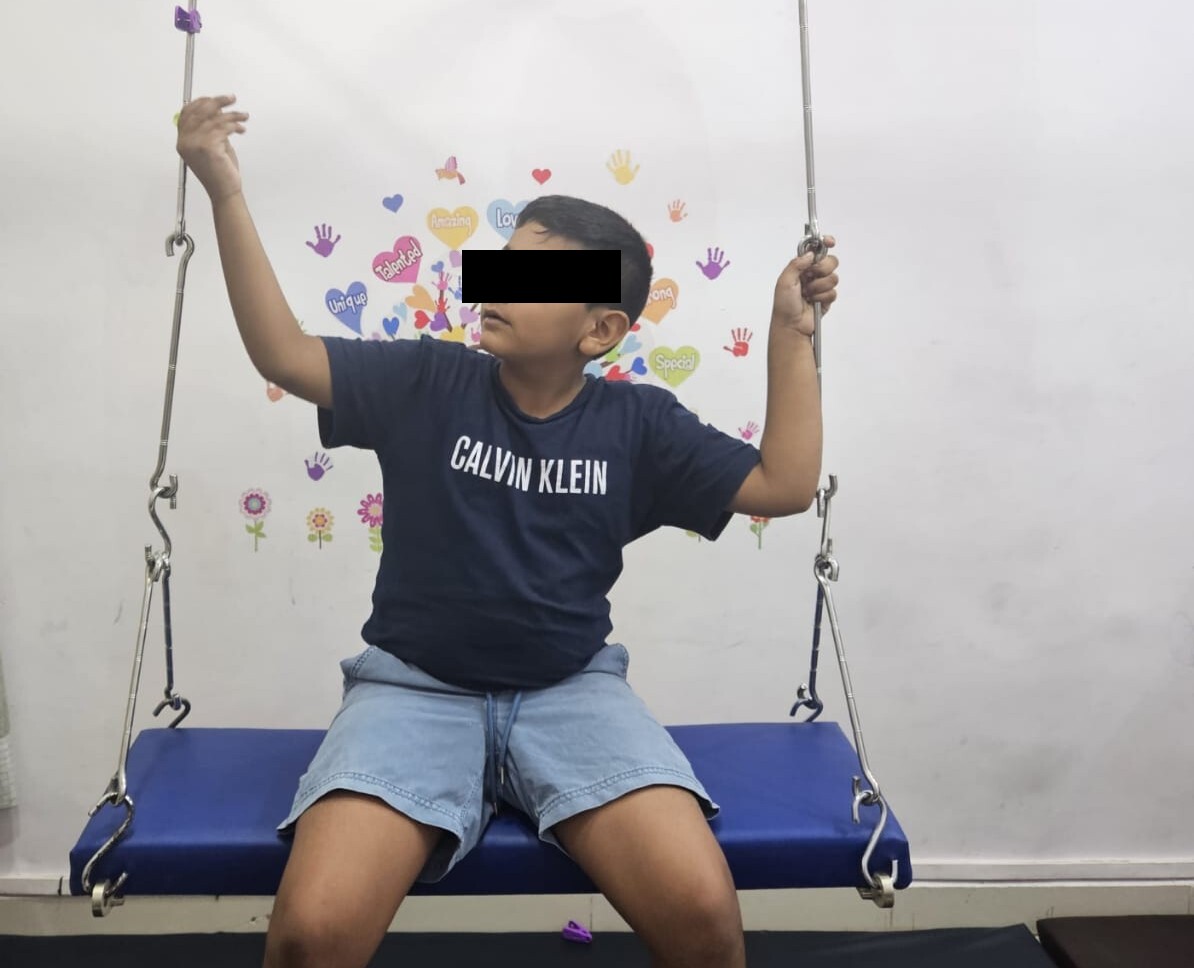
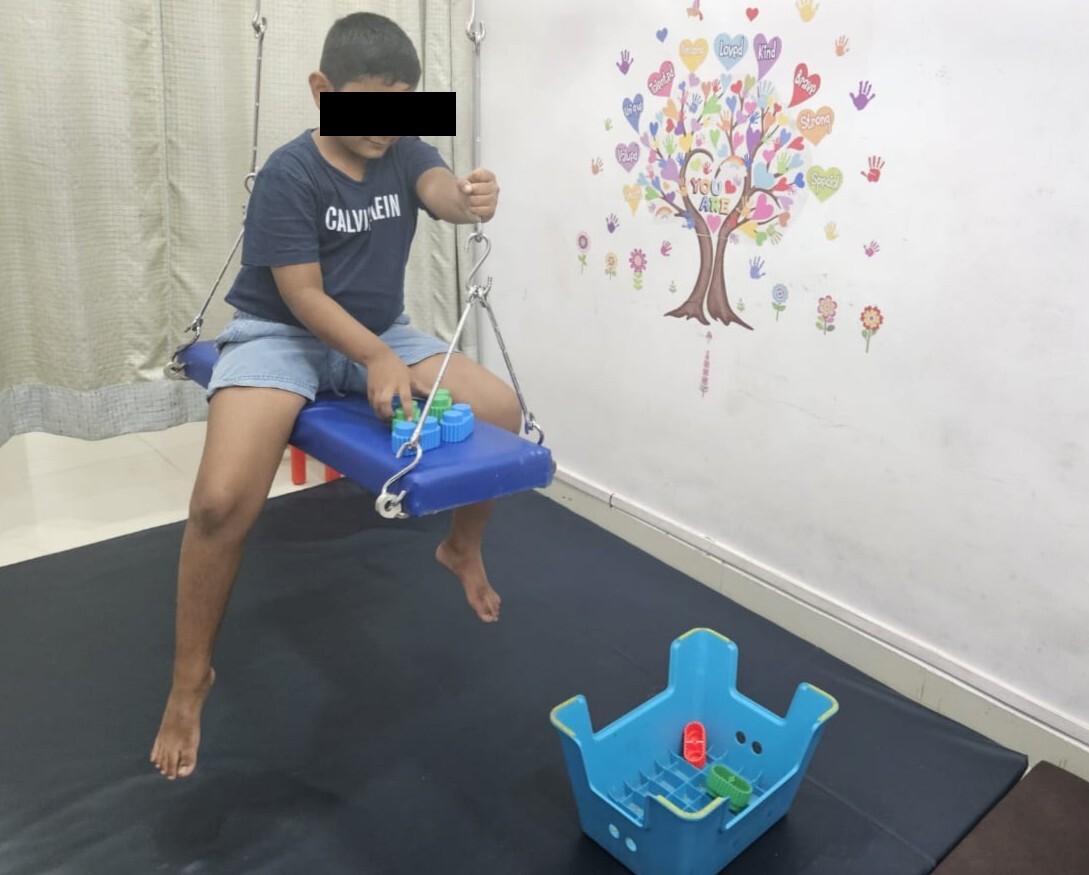
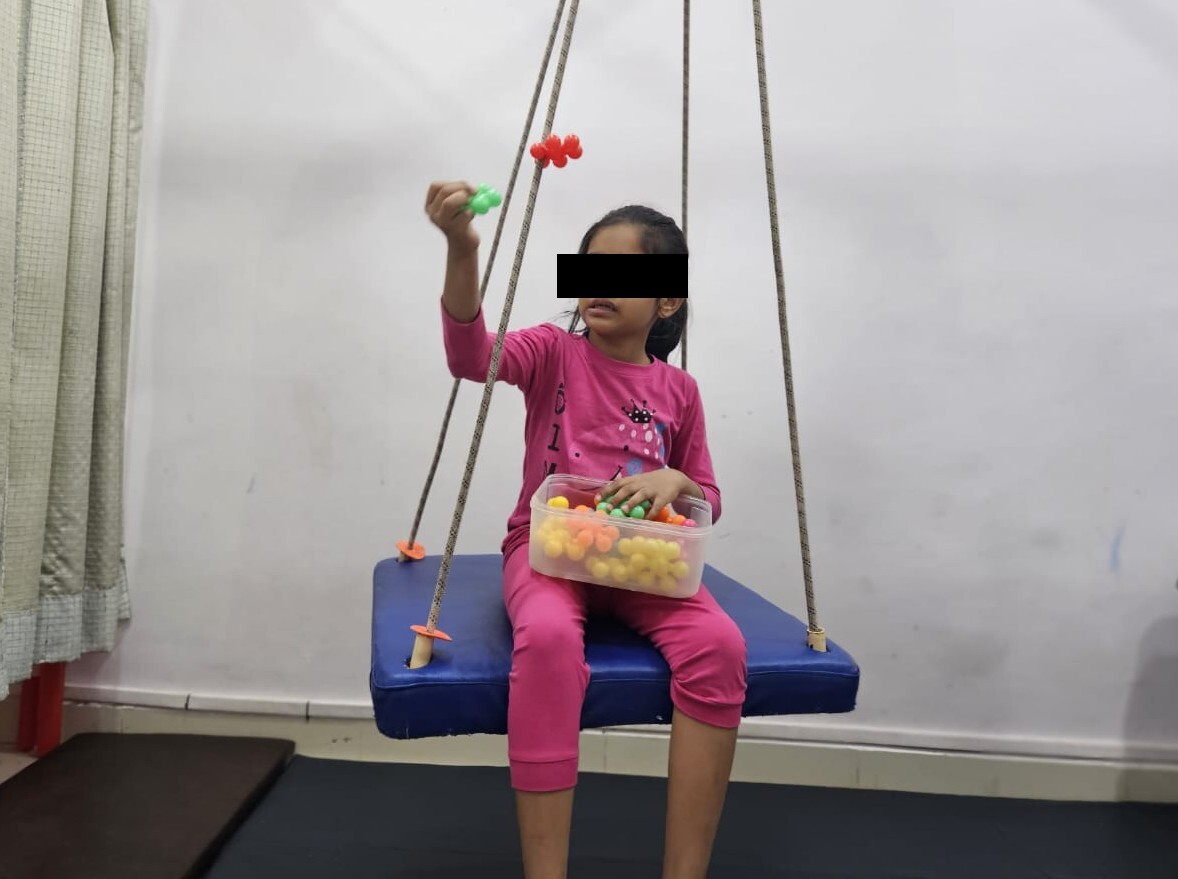
Sensory Integration (SI) Therapy is a play based, child-guided therapy that promotes learning, behavior, social and emotional development, and motor performance in children.
SI therapy helps to improve one’s ability to organise and process incoming sensory information appropriately to interact with the environment in meaningful ways.
What is Sensory Integration and Sensory Processing Dysfunction?
When there is difficulty in receiving, processing, organising and/or responding to sensory information, it leads to Sensory Processing Dysfunction (SPD).
The objective of SI therapy is to enhance the brain’s capacity to process and integrate sensory information, and give a more appropriate response. Through graded sensory experiences, therapy helps in developing new or alternate neural connections, which in turn promote learning and development.
The sense of Touch (Tactile), Body position (Proprioception) and Movement (Vestibular) lay foundations for the rest of the sensory systems.
Where we can help
Our specialists assess, diagnose, and treat a wide range of conditions, including:
Signs Your Child May Benefit
Here are some indicators that occupational therapy or sensory integration might be beneficial.
Overreaction or Underreaction to Sensory Input
Covers ears at normal sounds (vacuum, blender)
Avoids certain textures (clothes, food, sand)
Seems unusually sensitive to light or smells
OR barely notices pain, temperature, or messiness
Poor Balance & Coordination
Frequent falling or clumsiness
Trouble with activities like jumping, climbing, or riding a bicycle
Difficulty sitting upright or maintaining posture
Sensory Seeking Behaviors
Constantly moving, spinning, jumping
Craving deep pressure (tight hugs, crashing into things)
Touching everything excessively
Emotional & Behavioral Challenges
Meltdowns triggered by noise, crowds, or clothing
Easily overwhelmed in busy environments
Difficulty calming down once upset
Feeding Issues
Very picky eater (limited textures or tastes)
Gagging or refusing certain foods
Sleep Problems
Trouble falling or staying asleep
Needs specific sensory conditions (e.g., complete silence or pressure)
Difficulty being Alert
Appears unaware and disoriented of surroundings.
Trouble following instructions.
Therapy Strategies
Therapy is individualized and evidence-based, tailored to each patient's specific needs and goals.
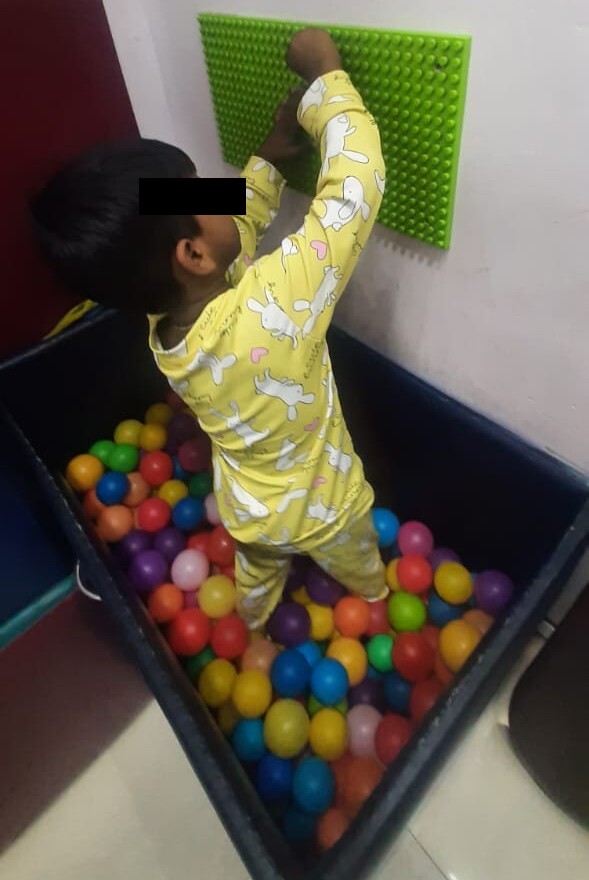
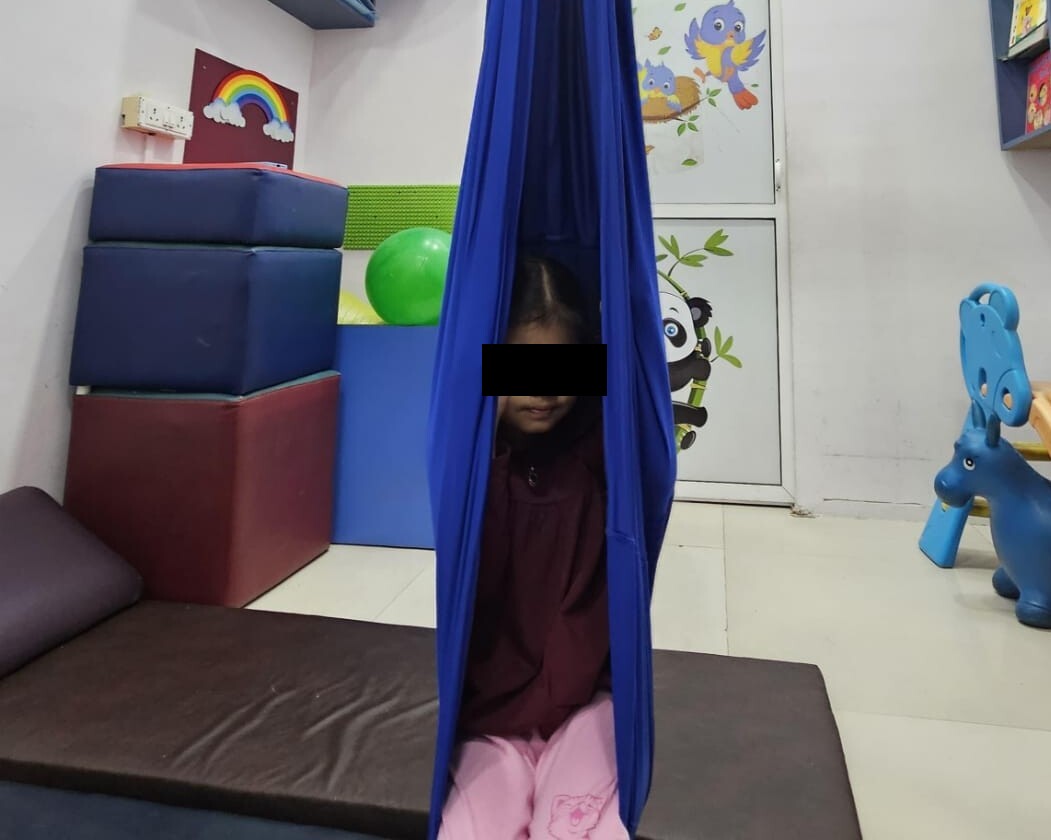
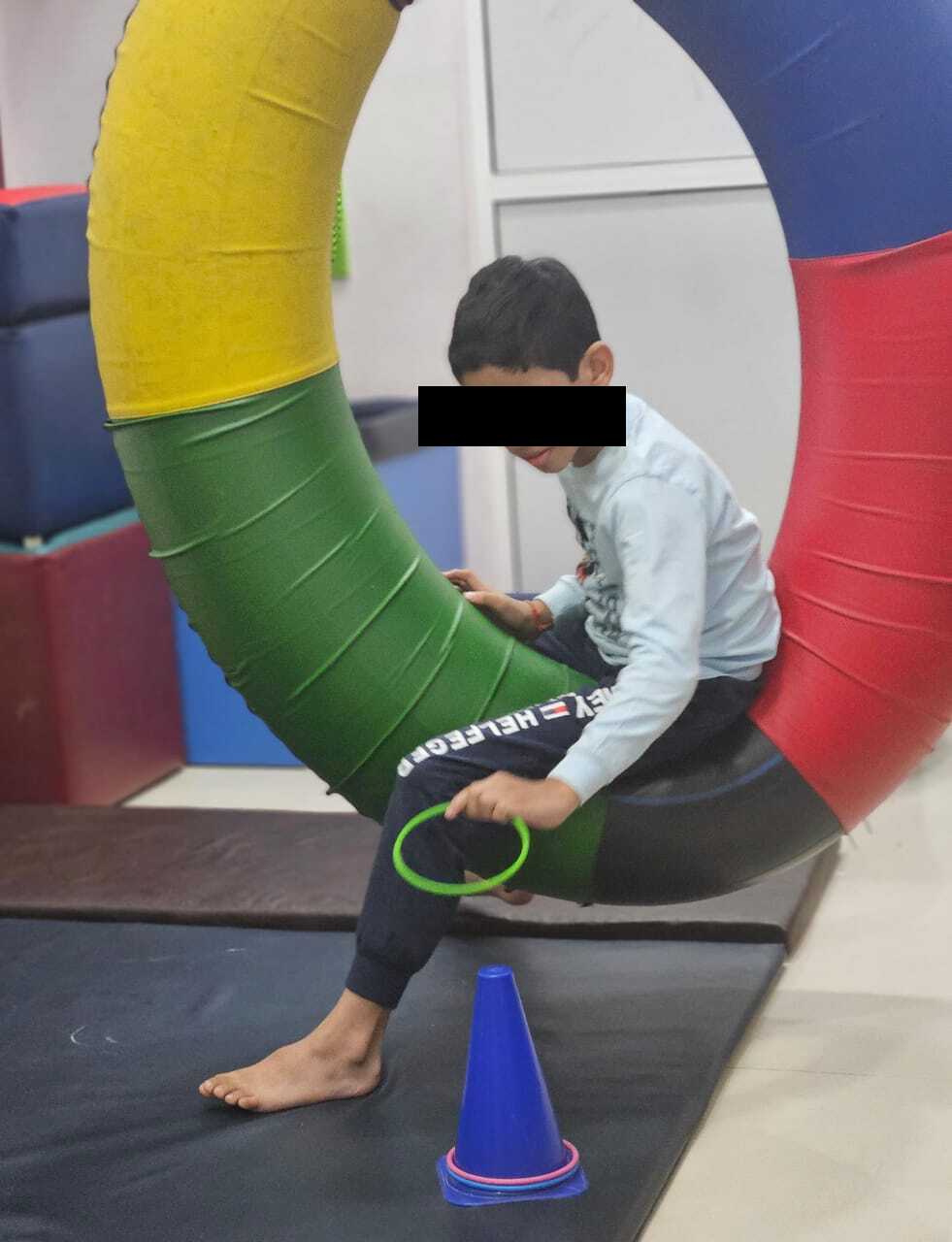
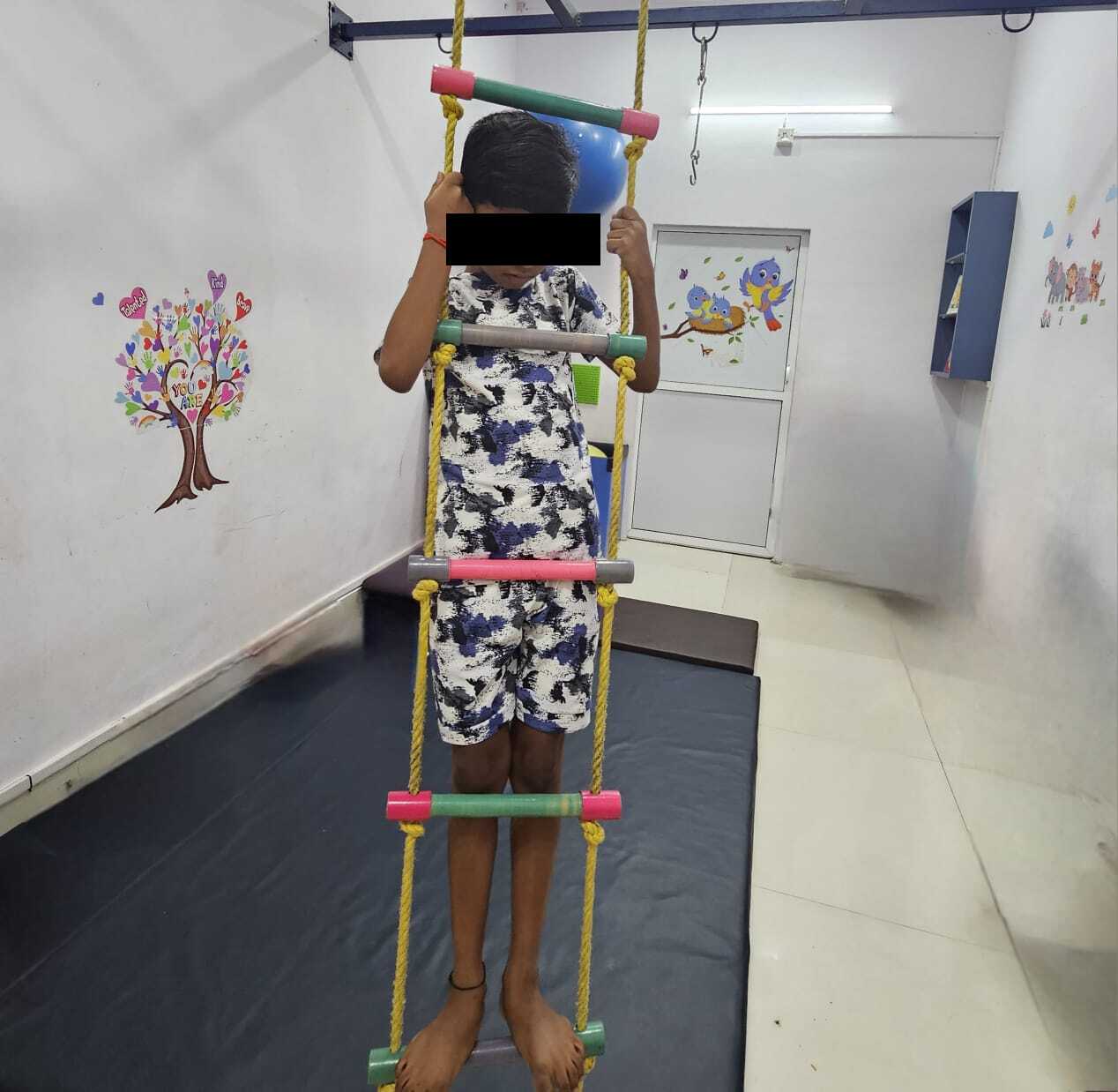
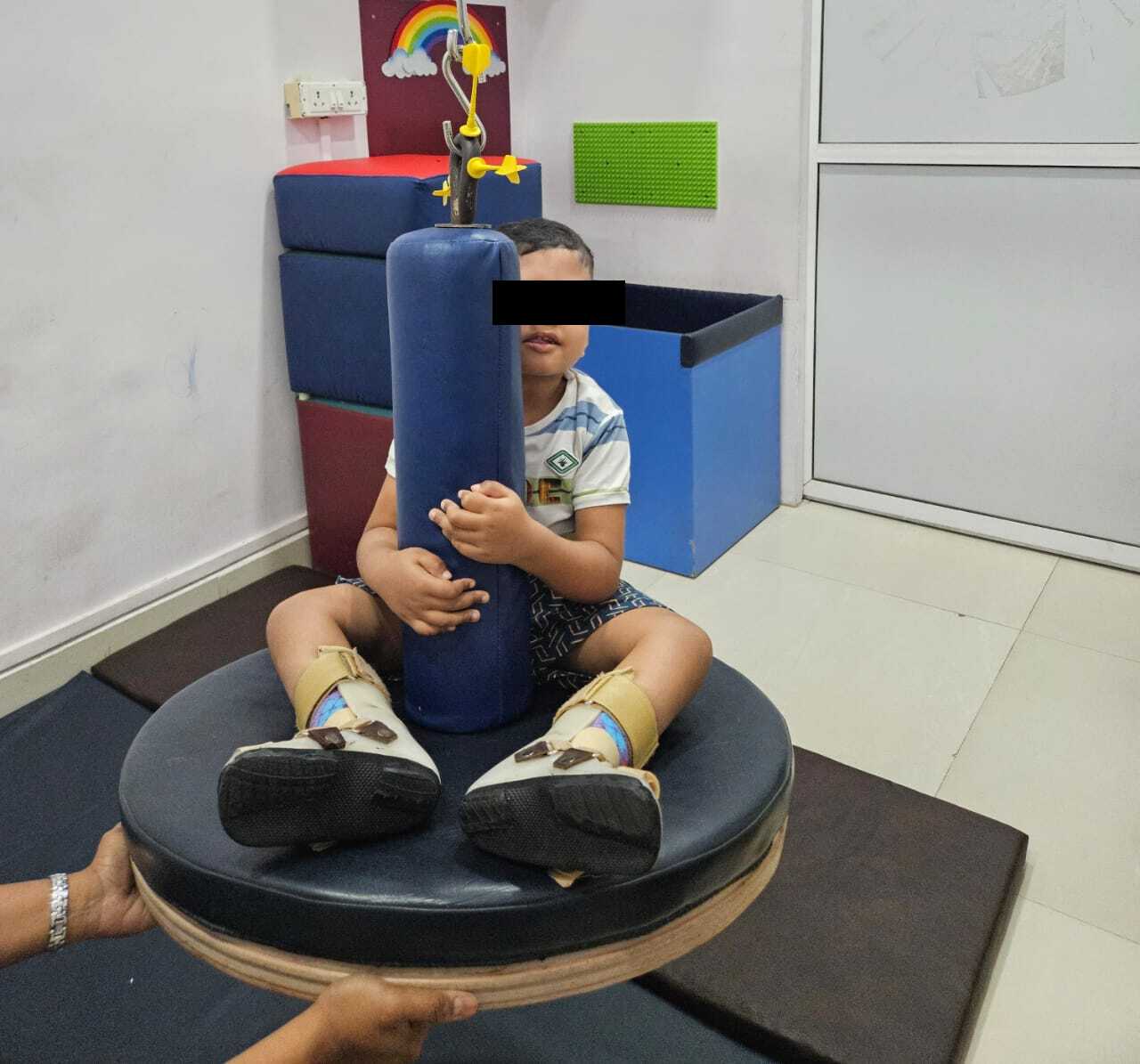
Movement-based therapy to improve balance and spatial awareness.
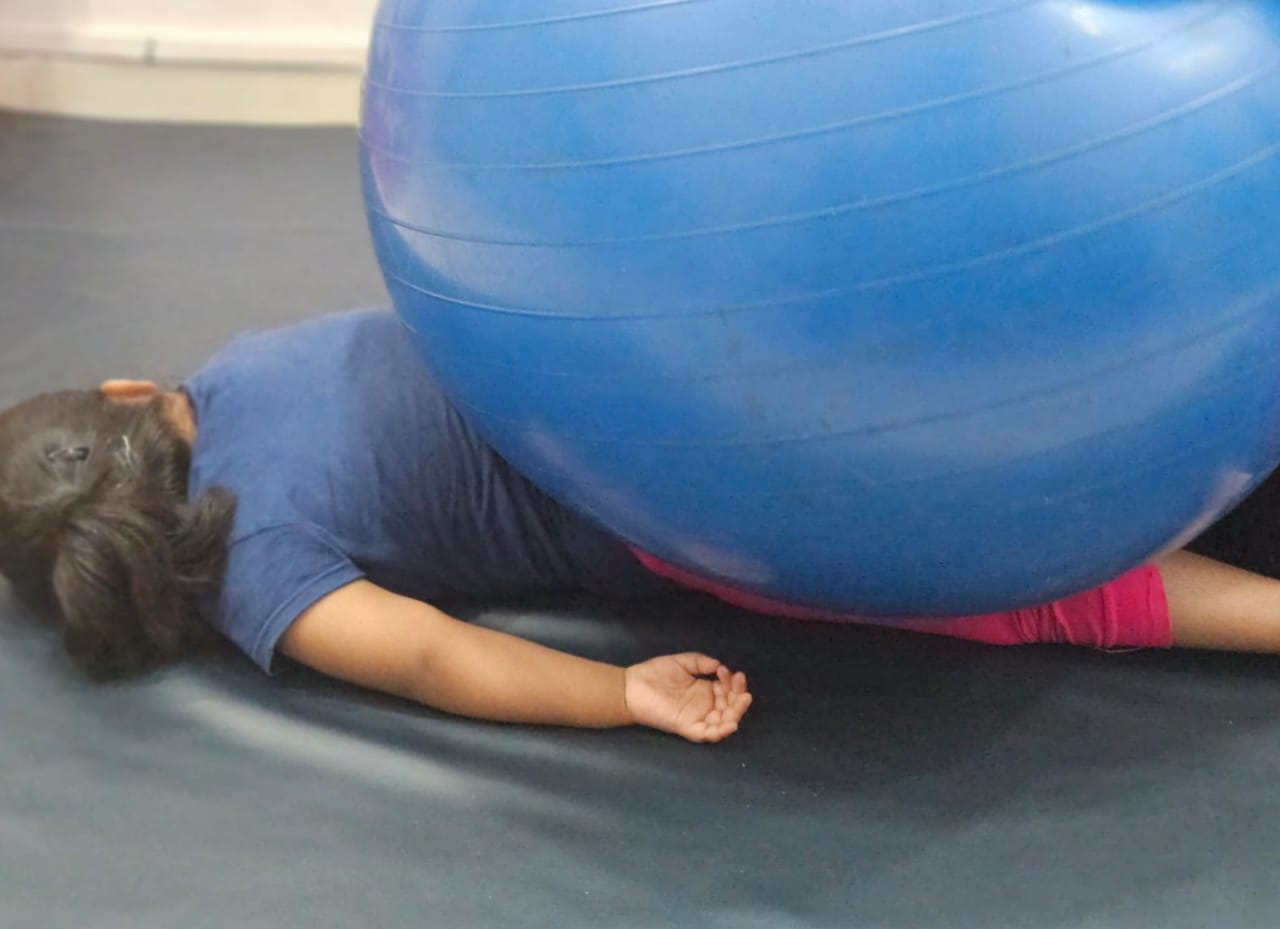
Activities providing deep pressure for body awareness and calming.
Gradual exposure to different textures and auditory inputs to build tolerance