Occupational Therapy
Building practical independence in daily activities
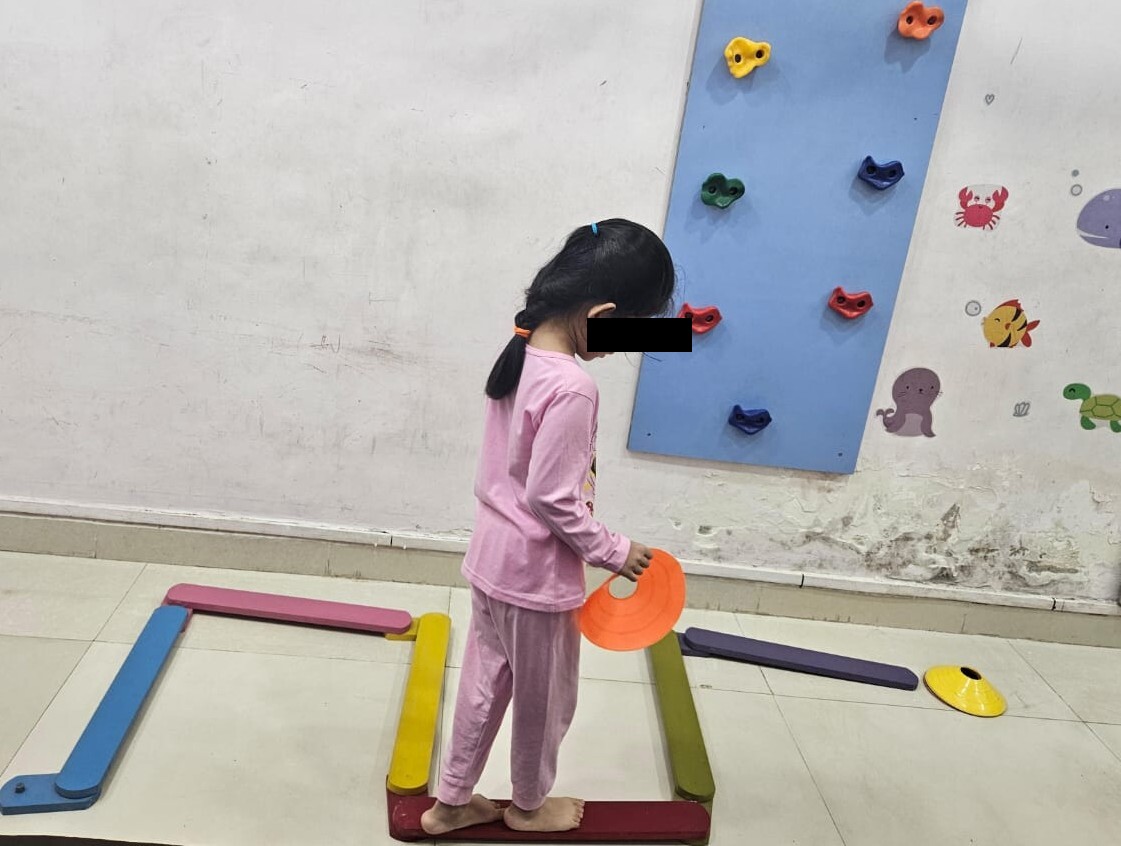
Attention and Visual Perception Improvement
Overview
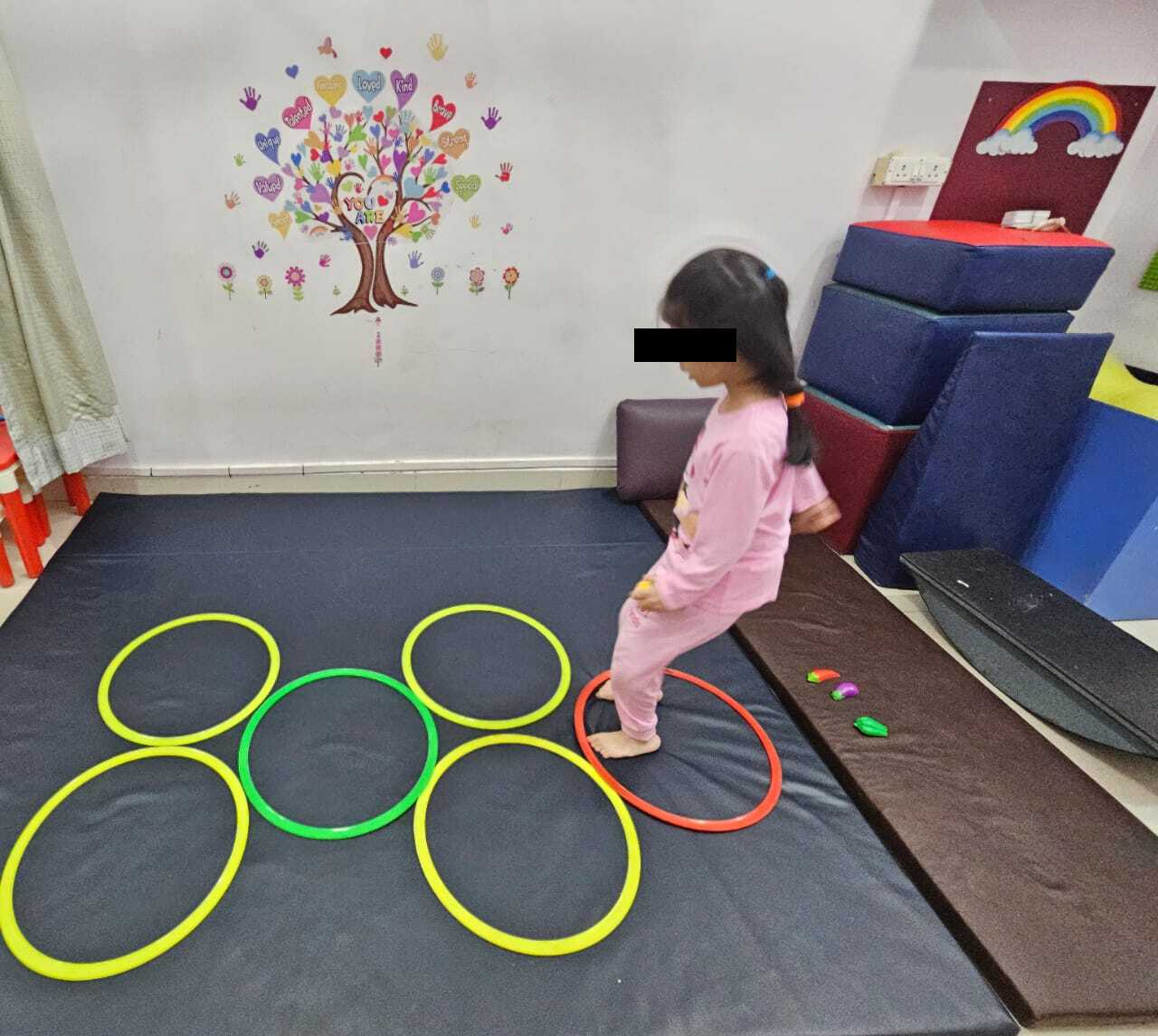
Occupational Therapy helps individuals achieve independence in their day-to-day “occupations” – work, leisure and basic daily activities. In paediatric cases, an occupational therapist focusses on enabling and enhancing the skills of children who are experiencing conditions that limit their potential by addressing developmental, motor, sensory, and emotional challenges in a nurturing and engaging environment. It helps children develop the skills they need to grow, learn, play, and participate successfully in everyday activities.
Where we can help
Our specialists assess, diagnose, and treat a wide range of conditions, including:
Signs Your Child May Benefit
Here are some indicators that occupational therapy or sensory integration might be beneficial.
Motor and Coordination Skills
Difficulty holding a pencil, using scissors, or manipulating small objects
Delays in handwriting or drawing skills
Frequent tripping, falling, or appearing clumsy
Difficulty learning new motor tasks
Self-Care and Daily Living Skills
Trouble dressing, buttoning, zipping, or tying shoes
Feeding challenges, picky eating, or difficulty using utensils
Delays in toileting or hygiene routines
Sensory Processing Challenges
Overreacts to sounds, textures, clothing tags, or lights
Avoids messy play or certain textures (sand, paint, food)
Seeks constant movement, crashing, spinning, or jumping
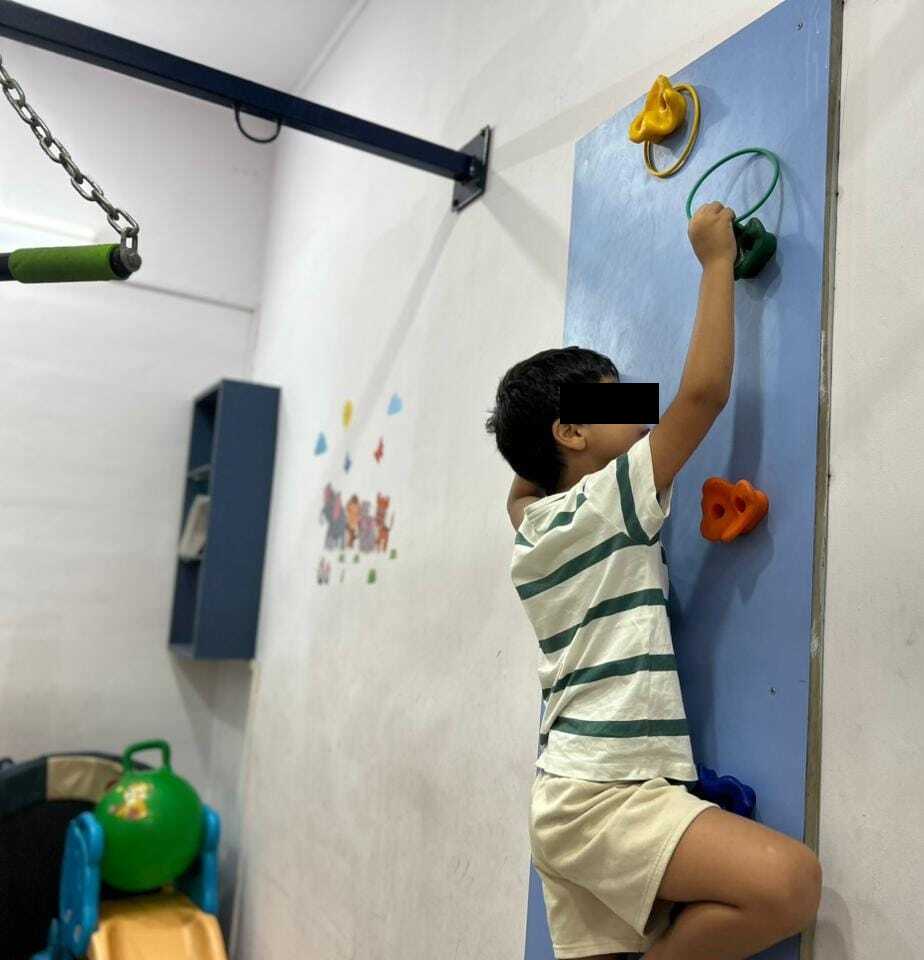
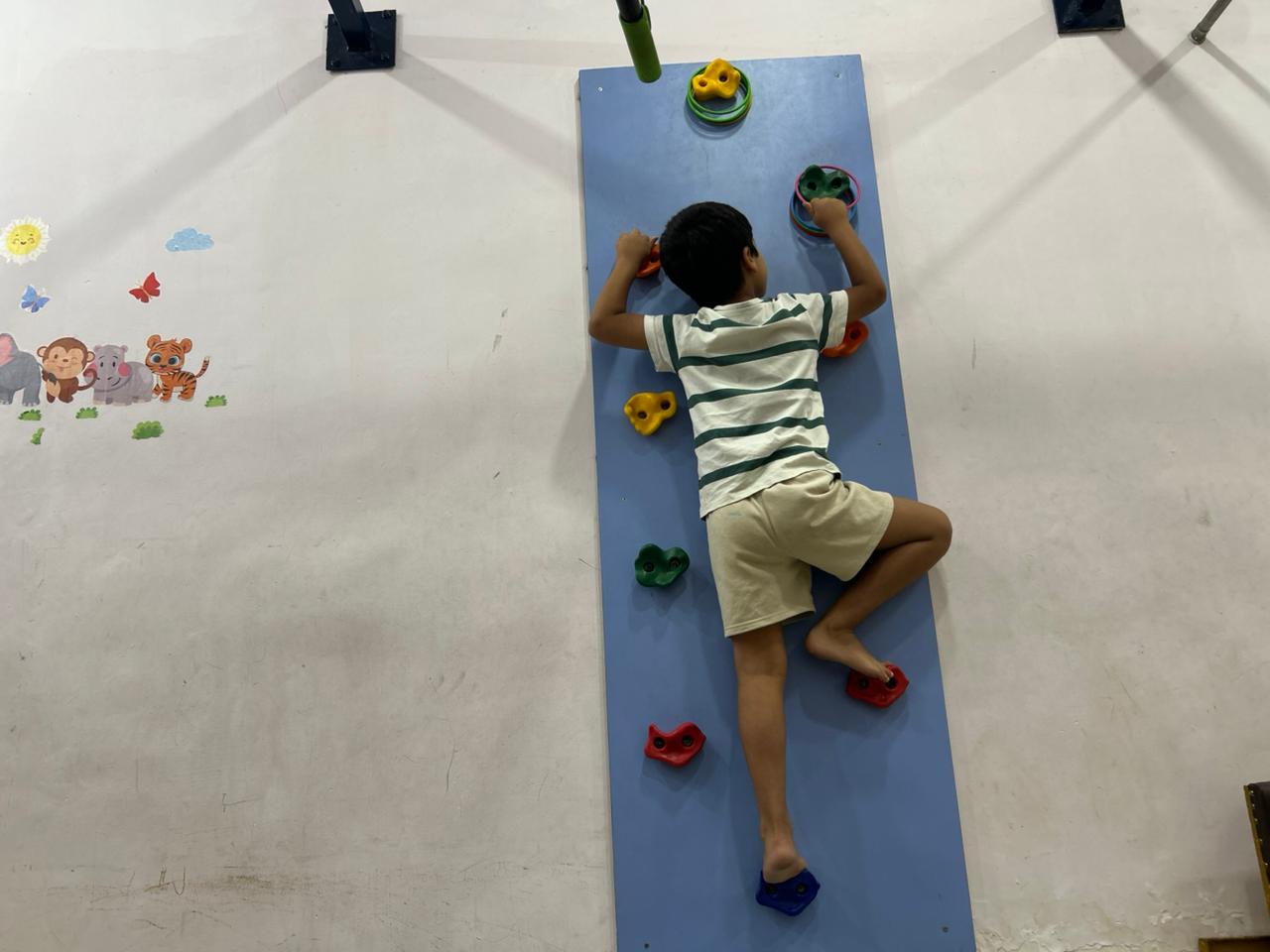
Appears unaware of body position or personal space
Takes time to calm down
Attention, Behavior, and Emotional Regulation
Difficulty focusing or staying on task
Cannot sit at one place
Easily overwhelmed, frustrated, or prone to meltdowns
Trouble with transitions or changes in routine
Difficulty calming down once upset
Play, Social, and School Skills
Difficulty engaging in age-appropriate play
Challenges with turn-taking or interacting with peers
Struggles with following directions or classroom routines
Delays in school readiness or academic participation
Therapy Strategies
Therapy is individualized and evidence-based, tailored to each patient's specific needs and goals.
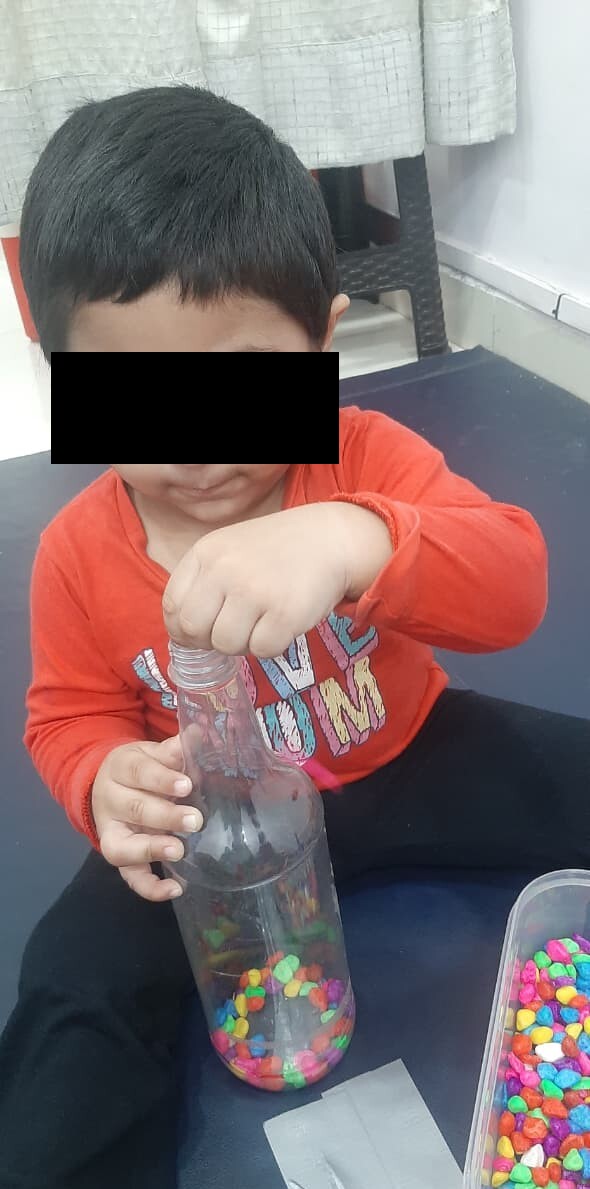
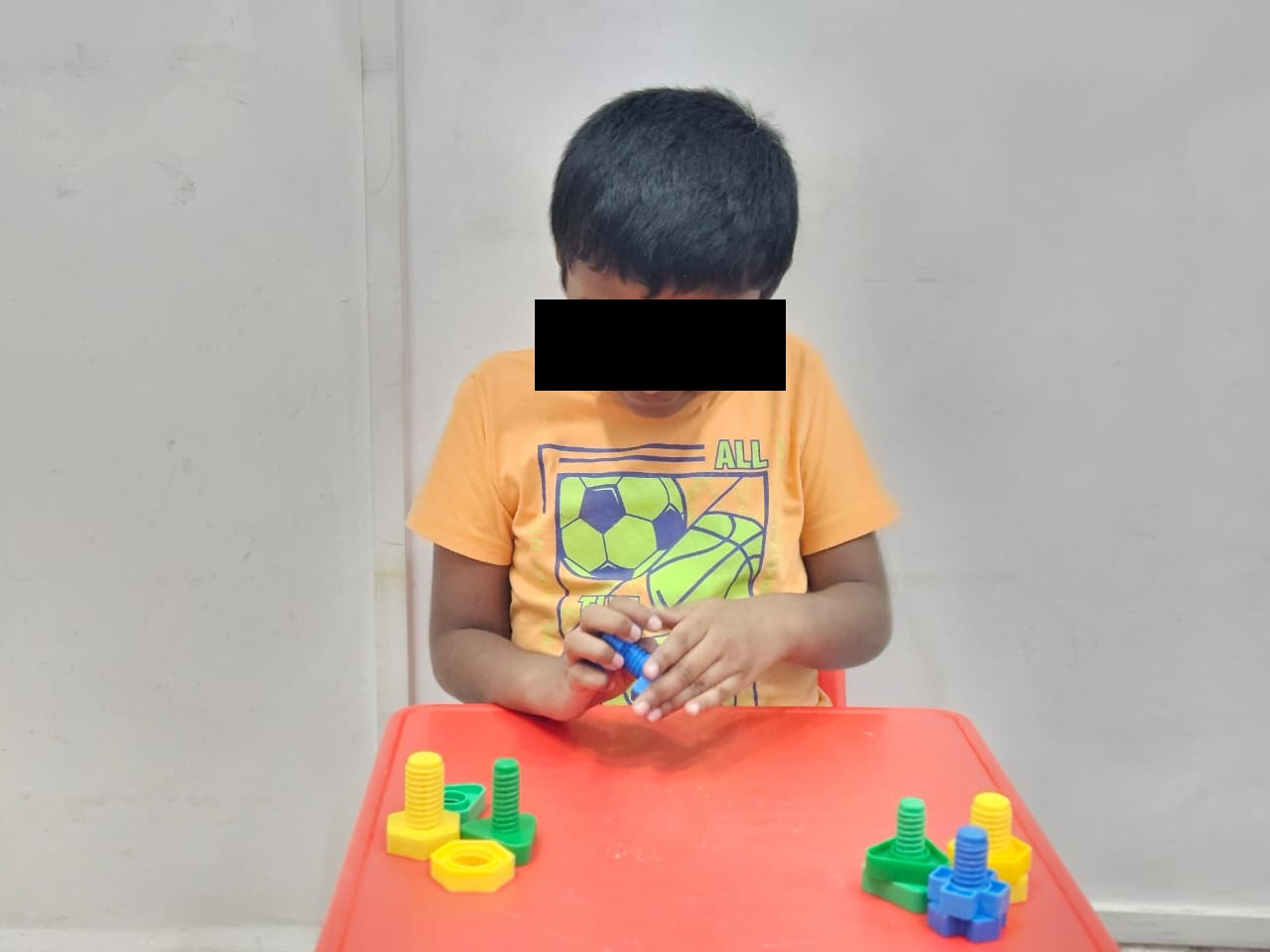
Fine motor development focuses on improving hand strength, dexterity, and coordination in the small muscles of the hands and fingers. Occupational Therapists use play-based activities, adaptive tools, and exercises to help children improve hand functions like Pincer Grip, Grip Strength , Grasp Patterns , Dexterity - Manipulation, Hand-Eye Coordination, Bilateral Coordination
Handwriting Without Tears® is use to provide developmentally appropriate, multi-sensory tools and strategies for teaching children handwriting. We work on the following concerns of handwriting: Posture, Legibility and Speed of writing ,Formation, Sizing and Alignment of letters, Near point and Far point copying.
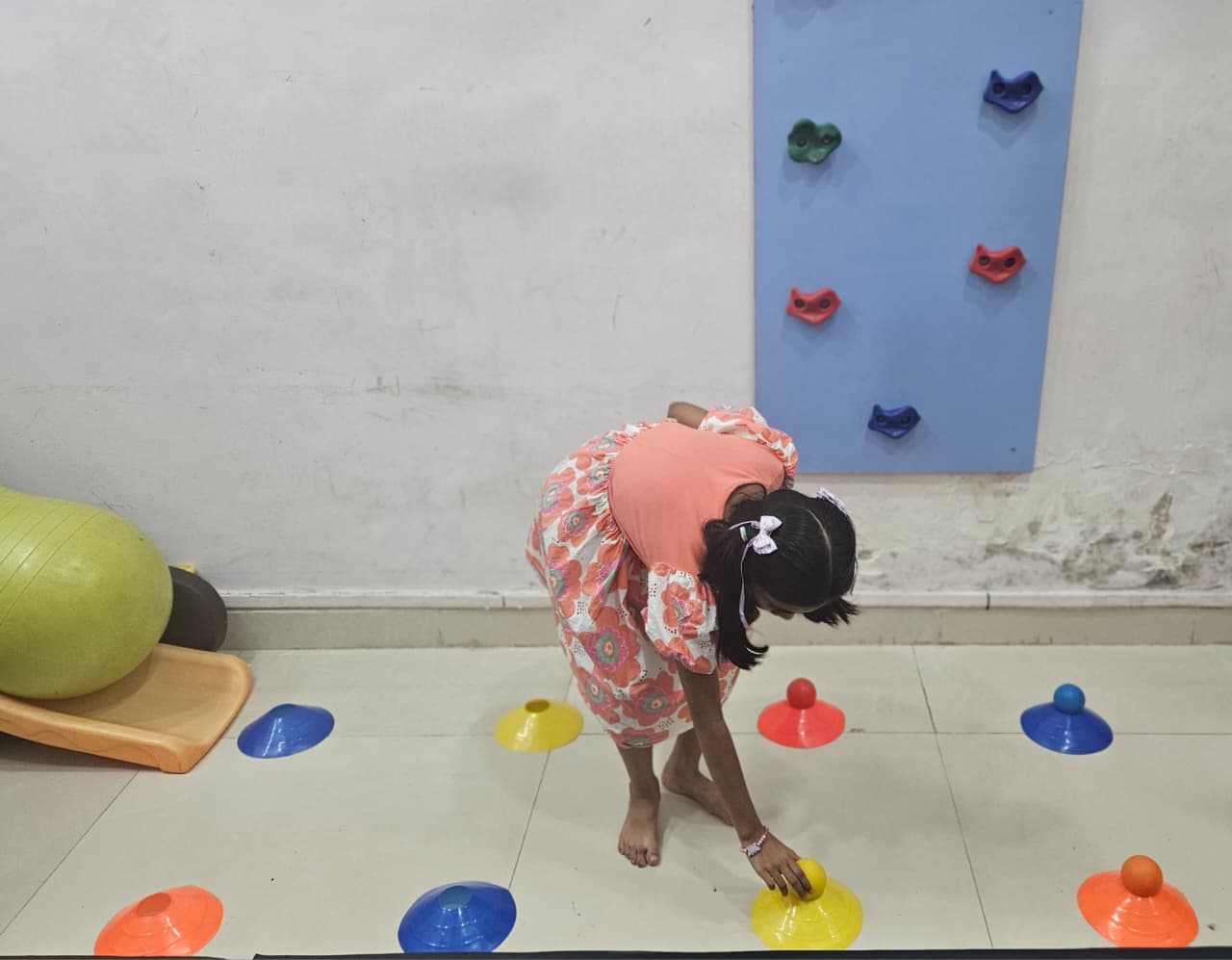
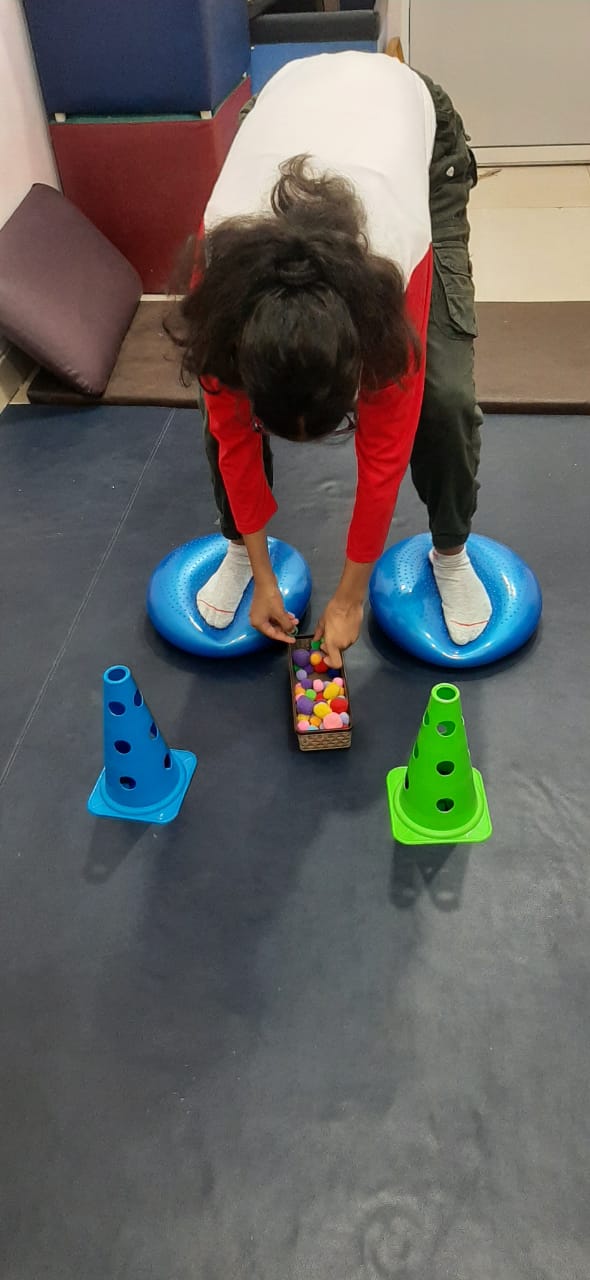
Attention Enhancement Training involves cognitive exercises, mindfulness, and lifestyle changes to improve focus, sustained attention, and cognitive control.
Executive Functioning Training improves cognitive skills like organization, planning, working memory, frustration tolerance, impulse control and emotional regulation.
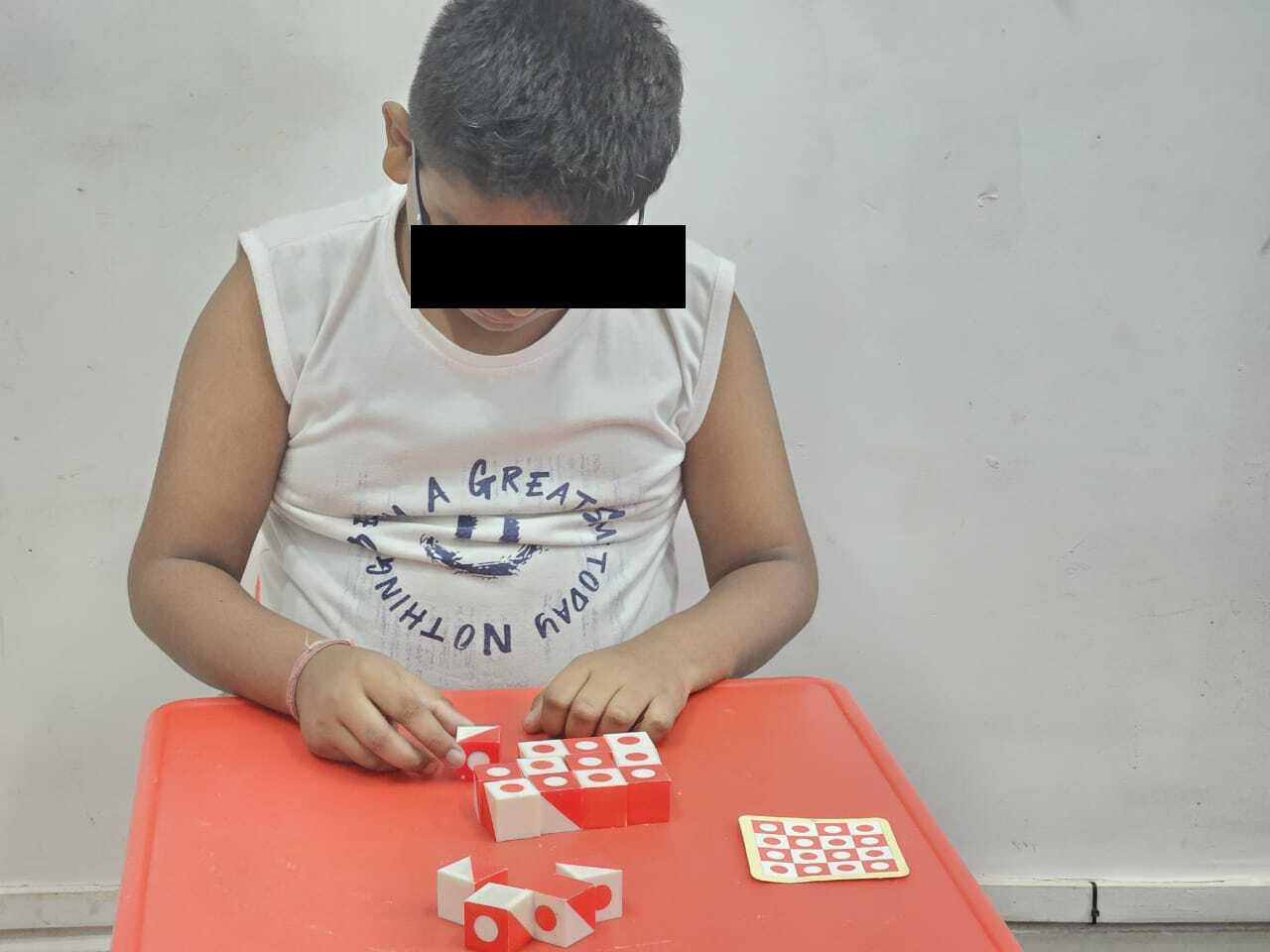
Visual Perceptual Training enhances the brain's ability to interpret, analyze, and make sense of visual information, distinct from 20/20 eyesight. It focuses on skills like visual discrimination, memory, figure-ground, and closure, which are essential for daily activities
Social Skills Training teaches the child can learn how to better read and respond to body language and facial expressions, as well as to manage their own. They are taught social conventions that can make it easier to build friendships and feel more confident in social settings. Getting focused and directed practice can really help to reinforce positive skills and develop some basics before entering in a social world.
ADL (Activities of Daily Living) training helps those kids having delayed processing and development or recovering from injury/illness, to learn routine tasks or regain or maintain independence in basic self-care tasks. It focuses on daily skills like bathing, dressing, grooming, eating, and safe mobility. Training often involves chaining techniques to build skills, confidence, and safety.